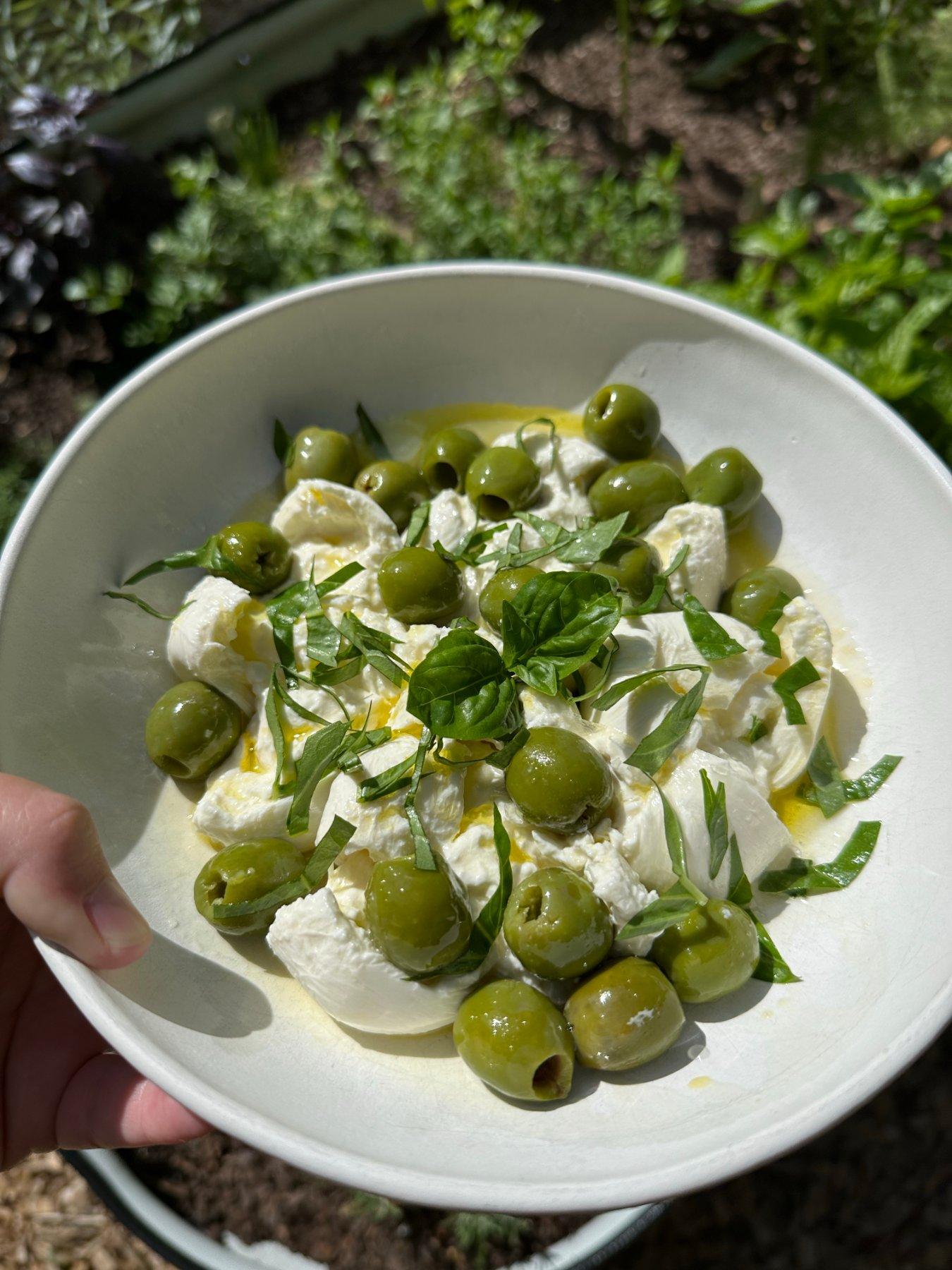
Polyphenols in Olive Oil: What They Are and How to Find Them
November 18, 2026 · 7 min read

Olive oil polyphenols are natural compounds that come from the olive fruit and survive into extra virgin olive oil. They give fresh oil its bitterness and its peppery bite. They help protect the oil from going stale. They are also the reason olive oil carries one of the few health claims approved in the European Union. To find them, look for a recent harvest, a robust or early-harvest style, good storage and, if you like numbers, a recent lab result. Your tongue and throat will tell you a good deal too.
This post covers what polyphenols are, what the science does and does not say, what pushes the polyphenol count up or down, and how to read the numbers some producers now print on their labels. We will also take a calm look at the high-phenolic trend, because it attracts more than its share of hype.
What are olive oil polyphenols?
Polyphenols are a large family of compounds found in many plant foods, including tea, coffee, berries, cocoa and wine. Olives have their own set. Some of the best known in olive oil are hydroxytyrosol, tyrosol, oleocanthal and oleacein. Several of these form from oleuropein, the bitter substance that makes a raw olive so unpleasant to eat straight off the tree.
They end up in the bottle because extra virgin olive oil is made by crushing olives and separating the oil mechanically, without solvents or refining. Refining strips out most of the polyphenols, along with much of the flavor and aroma. That is one reason refined oils, and blends labelled simply olive oil or light olive oil, taste so mild.
Polyphenols are often described as the antioxidants in olive oil, and in the bottle they do act that way. They slow the oxidation that turns oil rancid, which is part of why a fresh, well-made extra virgin oil holds up better than you might expect. How they behave once you eat them is a separate question, and the answer calls for more care.
What the research and the EU claim say
Olive oil has been studied a great deal, much of it as part of the traditional Mediterranean diet. That research is encouraging. Whole diets are hard to untangle, though, and olive oil is only one part of the picture.
The clearest official statement comes from the European Union. After a review by the European Food Safety Authority, the EU authorized a health claim that olive oil polyphenols contribute to the protection of blood lipids from oxidative stress. It comes with conditions. It may only be used for olive oil that contains at least 5 mg of hydroxytyrosol and its derivatives, such as the oleuropein complex and tyrosol, per 20 g of oil. The claim must also explain that the benefit comes with a daily intake of 20 g of olive oil, which is about a tablespoon and a half.
Do the math and 5 mg per 20 g works out to 250 mg of hydroxytyrosol and its derivatives per kilogram of oil. Not every extra virgin oil reaches that level, especially once it has aged. Some reach it comfortably.
Notice how narrow the claim is. It is about protecting blood lipids, the fats carried in your blood, from oxidative damage. It does not say olive oil prevents heart disease, treats inflammation or cures anything. Research into individual compounds such as oleocanthal continues and is genuinely interesting. Early findings are still early findings.
What drives the polyphenol count
Polyphenol counts are measured in milligrams per kilogram of oil, written mg/kg, and they vary widely from one oil to the next. Four things matter most.
- Variety. Some olive varieties are naturally rich in polyphenols. Coratina from southern Italy, Koroneiki from Greece and Picual from Spain are often cited as robust, high-phenolic types. Gentler varieties can make lovely oil with much lower counts.
- Harvest timing. Green, early-harvest olives generally give oil with more polyphenols, more bitterness and more pepper than fully ripe fruit. They also give less oil per tree, which is one reason early-harvest oil costs more.
- Milling. Quick handling from tree to mill, clean equipment and careful control of temperature and air during extraction all help keep polyphenols in the oil.
- Freshness and storage. Polyphenols decline as oil ages, and faster with light, heat and air. A lab number taken at bottling describes the oil on that day, which may be many months before the day you open it.
Growing conditions play a part as well. The same variety can test differently from one season or grove to the next, depending on weather, water and the health of the fruit. So a polyphenol count belongs to a specific harvest. It does not follow a brand from year to year.
How to tell if olive oil is high in polyphenols by taste
You do not need a lab to get a rough read, because several polyphenols announce themselves. Bitterness on the tongue is linked largely to compounds derived from oleuropein. The peppery sting in the throat comes mainly from oleocanthal. As a rule, an oil that is clearly bitter and peppery has a good supply of polyphenols, and an oil with neither has few.
Taste is a guide. It is not a measuring tool. People differ in how sensitive they are to bitterness and pungency, and a big fruity aroma can make an oil seem less bitter than it is. Taste also cannot tell one compound from another, so two equally peppery oils can produce quite different lab results.
A simple routine helps. Pour a little oil into a small glass, warm it in your hand and smell it. Then take a small sip and draw in some air. Notice the bitterness on your tongue, swallow, and wait a couple of seconds for the catch in your throat. If you can, taste a bold oil and a mild one side by side. The contrast makes both qualities much easier to feel.
Polyphenol count on labels: how to read the numbers
More producers now print a polyphenol count on the label or publish a lab report. That is welcome, and it helps to know what you are looking at.
- Check what was measured. Some figures are total polyphenols. Others report only hydroxytyrosol and its derivatives, the group the EU claim refers to. Some list single compounds such as oleocanthal and oleacein. These are different numbers, and you cannot compare one kind directly with another.
- Check the method. Labs use different methods, and the same oil can give different totals depending on which one is used. A figure with no method named is hard to interpret.
- Check the dates. Look for when the oil was harvested and when it was tested. A high number from a test done well over a year ago tells you less about the bottle in your hand.
- Check who tested it. A report from a named, independent lab carries more weight than a number printed with no source.
- Check the units. Counts are normally given in mg/kg. If a label gives a number with no unit at all, ask what it means.
If a producer makes a big claim and will not share the report behind it, treat the claim with caution.
What olive oil has the most polyphenols?
People search for the olive oil with highest polyphenols, or for olive oil brands with highest polyphenols, and expect a ranked list. We are not going to give one, and we would be wary of anyone who does. Counts change with every harvest and fall as the oil ages, so a ranking goes out of date almost as soon as it is published. A bottle that topped a chart two years ago may be a different harvest today.
A better question is which oil is high in polyphenols right now. Those oils tend to share a few traits: a robust variety, an early harvest, careful milling, a recent harvest date, dark glass or a tin, and a current lab report. You can look for every one of those on any shelf.
A calm look at high-phenolic marketing
High polyphenol olive oil has become a category of its own, sometimes sold in small bottles at high prices with the language of supplements. Some of these oils are excellent. Still, keep a few things in mind.
- More is not automatically better. The EU claim sets a threshold. It does not promise bigger benefits for bigger numbers.
- Very high-phenolic oils can be intensely bitter and pungent. Some people love that. Others find it hard to enjoy, and an oil you avoid using does you little good.
- Olive oil is food. An oil sold as a remedy, or with promises to treat disease, is going beyond what the evidence supports.
- Freshness still comes first. A fresh, well-stored oil with a modest count can be a better buy than one with a headline number from an old test.
We think the simple approach works best. Use good, fresh extra virgin olive oil generously, in meals you enjoy, and the polyphenols come along for the ride.
What to take with you
- Olive oil polyphenols come from the olive and survive only in unrefined oil, so start with extra virgin.
- Bitterness and pepper are a free, built-in polyphenol check. Use them as a rough guide.
- Choose a recent harvest, a robust or early-harvest style, and dark glass or a tin, then store the oil somewhere cool and dark.
- If a label gives a polyphenol count, check what was measured, the method, the test date and the lab.
- Heat reduces some polyphenols, so keep a drizzle of raw oil for finishing dishes.
We obsess over this so you don't have to. Oleae Grove's own verified oil is coming soon. Until then, listen to So, You Want to Get Good at Olive Oil? for more on tasting for bitterness and pepper.
This article is for general information only and isn't medical advice.